

Most grocery-store produce looks great, but it’s far less nutritious than it used to be. Industrial farming, and its decades of tillage, synthetic fertilizers, and pesticides, has destroyed the soil ecosystem that is essential to feed plants, leaving crops less nourished, and therefore, less nourishing.
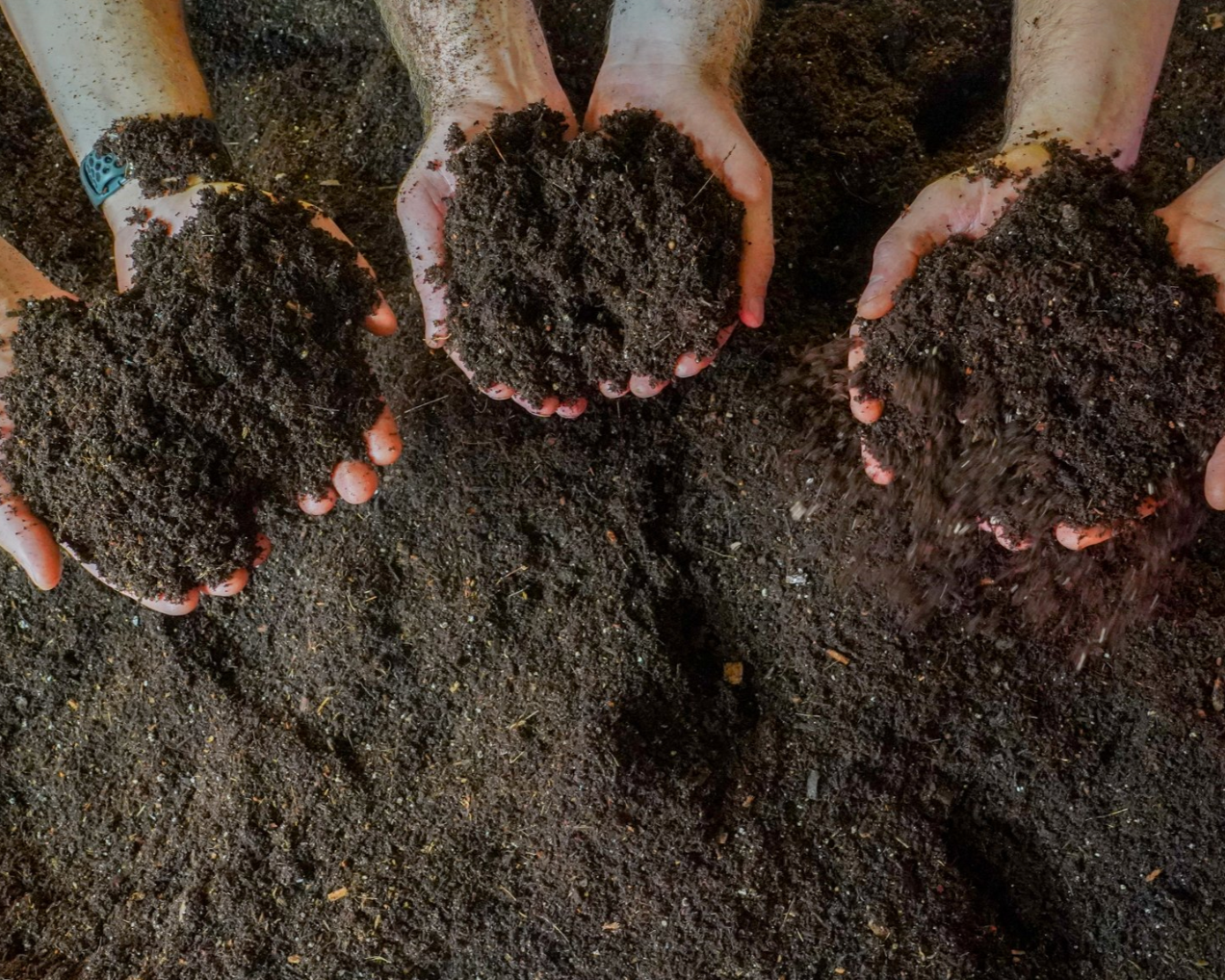
That’s exactly why we invest in soil. It’s the foundation of our organic farm, the key to growing diverse, nutrient-rich crops, and one of the clearest links between what we grow and the health of the people we feed.
At Area 2 Farms, our soil is alive with a community of organisms, all interacting in complex ways to feed, protect, and nurture our crops. This living system (called the soil food web) is a fascinating network of producers, decomposers, predators, and prey.
Here’s a closer look at the key players in our soil and the amazing work they do to keep our farm thriving and your food full of nutrients and delicious.
The Producers: Our Plants
The soil food web starts with our plants. As producers, living plants release sugary substances called root exudates (sugars, organic acids, proteins) into the soil. This attracts beneficial microorganisms to the high-traffic area immediately surrounding the roots called the rhizosphere.
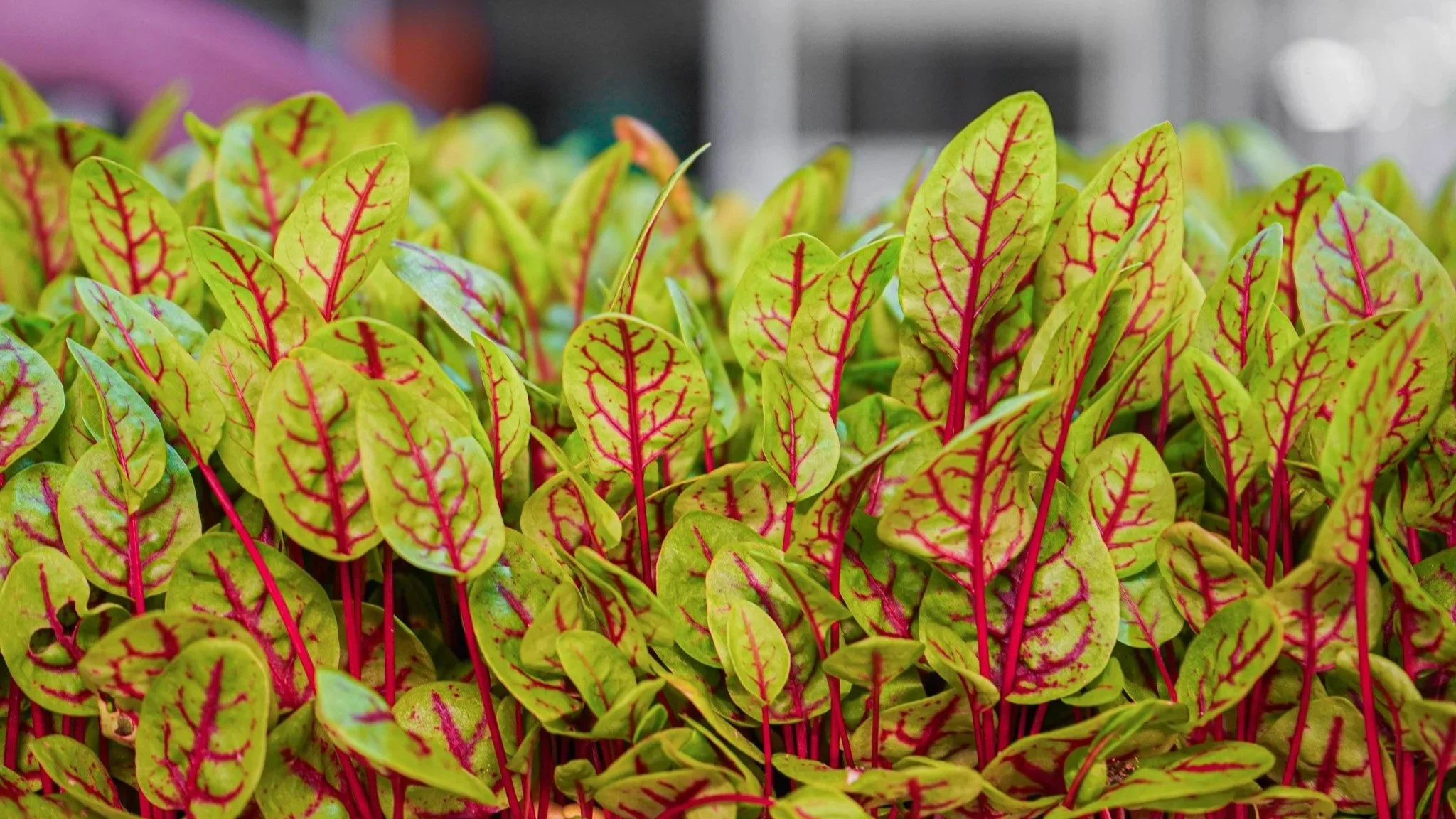

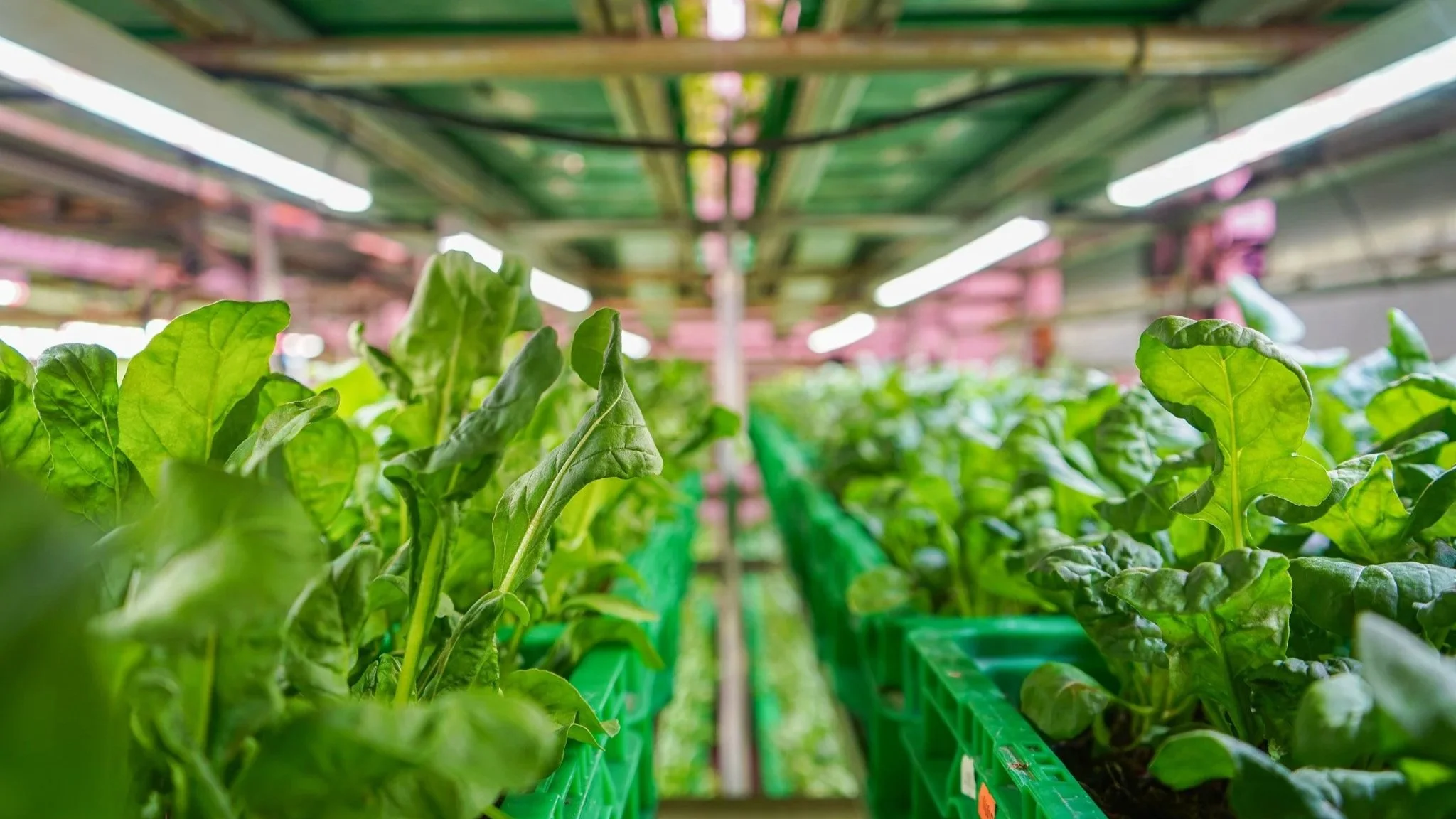
In this beneficial trade, the microorganisms receive a sweet treat, and in return, they act as tiny transporters, mobilizing and delivering essential nutrients and water directly to the plant's roots.
The Architects: Bacteria & Fungi
The complex multitude of bacteria and fungi are the core engine of our soil. These microorganisms have many roles in soil health.
Nitrogen Fixation: This process turns atmospheric nitrogen, which is naturally abundant but unusable by plants, into a form that plants can use. It happens through a symbiotic relationship with Rhizobia bacteria, which are attracted by root exudates, and convert that inaccessible nitrogen into a plant-ready source.
The Mycorrhizal Network: Mycorrhiza are fungi that physically attach to plant roots, looking like thin, white root hairs. They greatly extend the plant's surface area, acting as super-efficient nutrient and water delivery systems. Scientists have also found that this fungal network may even help plants communicate with each other by sending chemical signals through the soil.
Composting Heat: Bacteria and fungi are responsible for the intense heat generation during composting. As they consume carbon and nitrogen in the compost pile, these organisms respire and release heat. A well-oxygenated and balanced pile will efficiently reach temperatures between 140 and 160 degrees Fahrenheit, which accelerates the decomposition process.
The Clean-Up Crew: Detritivores
Once bacteria and fungi die, they become food for larger soil dwellers called the detritivores (or composters). These organisms feed on dead organic matter and mechanically break it down to cycle nutrients.
Earthworms
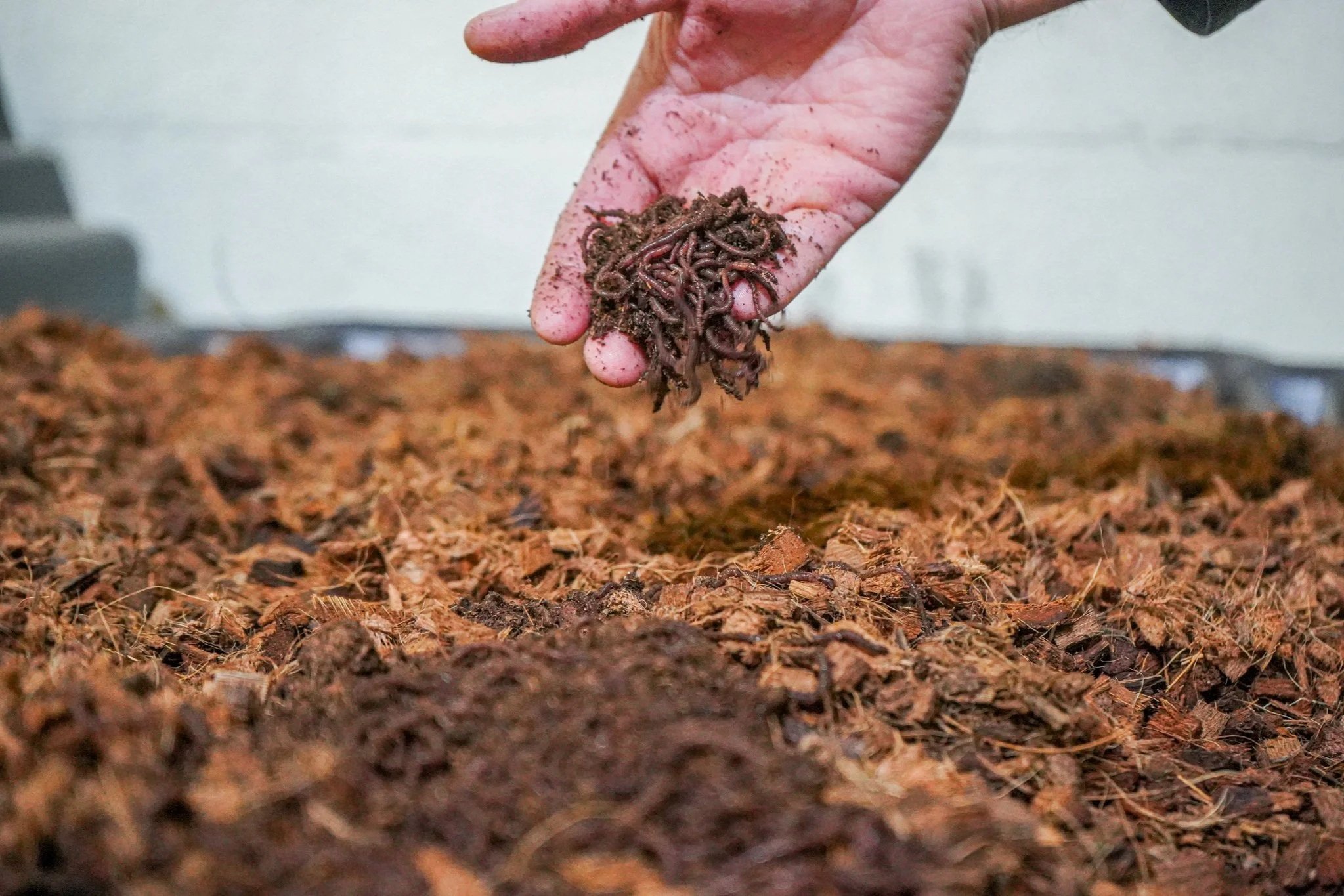
Our driving composters, earthworms mechanically break down tough organic material like harvested leaves, roots, and stems. As they consume and digest, they produce worm castings (aka worm poop). These castings are nutrient-dense and contain beneficial microbes from the worm's gut, which help to rapidly aid and speed along the entire composting process.
Springtails
These tiny creatures get their name from their ability to spring away with a tail-like appendage called a furcula. Often mistaken for pests, they are harmless to living plants and are a strong indicator of healthy, decomposing organic matter.
Isopods
Commonly found under logs, these many-legged creatures are also known as pill bugs or roly-polies. They primarily consume dead plant material, fungi, and bacteria, helping to break down decaying organic matter into smaller pieces.
The Guardians: Predators
The presence of predators indicates a healthy, balanced ecosystem where there are enough organisms lower on the food chain to support them. They provide essential natural pest control.
Centipedes
These fast-moving predators are a sign of a well-developed food web. They hunt other organisms and help prevent any one population from exploding.
Rove Beetles
A beneficial predatory insect easily identified by their long, thin body and short wings that only cover the thorax. They are natural allies in keeping harmful pest populations low across the farm.
Ground Beetles
These are dark-colored, hard-shelled predatory insects that actively hunt and consume common garden pests like slugs, aphids, and caterpillars. Their larvae also contribute to compost aeration.
Spiders
Our eight-legged controllers, spiders help maintain ecological balance by controlling pest populations like aphids and flies. They protect our plants by keeping the natural ecosystem running smoothly.
Life Beneath the Soil
The ecosystem in our soil is constantly at work, cycling nutrients, protecting plants, and sustaining life. By fostering and protecting this living system, we grow crops that actually nourish you, not just fill a shelf.
When you eat locally from farms that prioritize healthy soil, you take back some control over your own health. It’s a way to step outside a food system built on depleted ground and return to food that actually supports real health. Because truly nourishing food always starts with the soil.

Area 2 Farms for Locals
Your food should be equally accessible and nutritious. Which is where we come in. At Area 2 Farms, we grow fresh organic produce within 10 miles of you.
