

Swiss Chard
Swiss chard is a hardy, colorful leafy green in the beet family, grown for its tender leaves and crisp stems. It has a mild, earthy flavor with a subtle sweetness, and cooks down quickly. Easy to use and loaded with nutrients, it’s a go-to green for everything from sautés to soups.
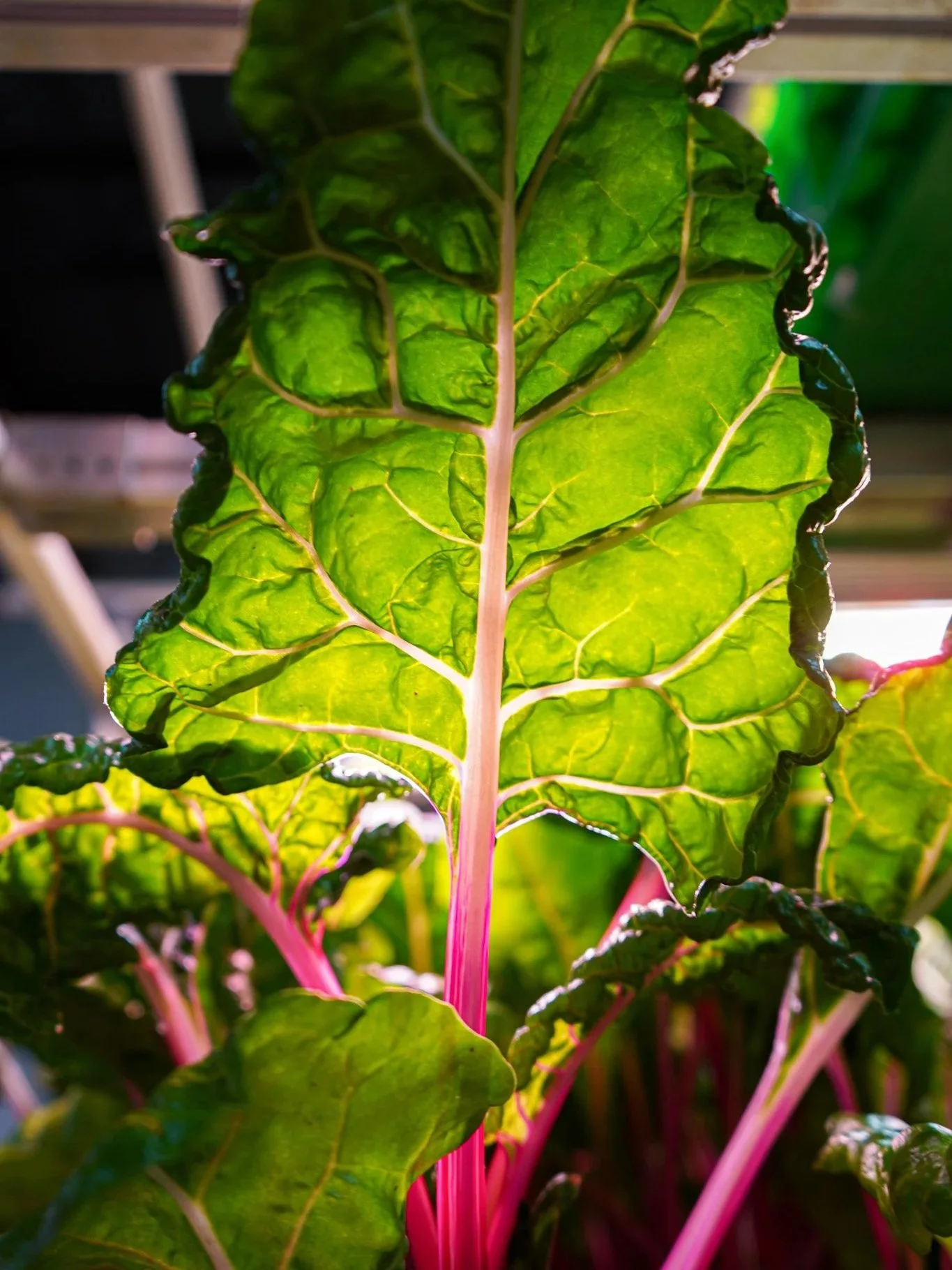
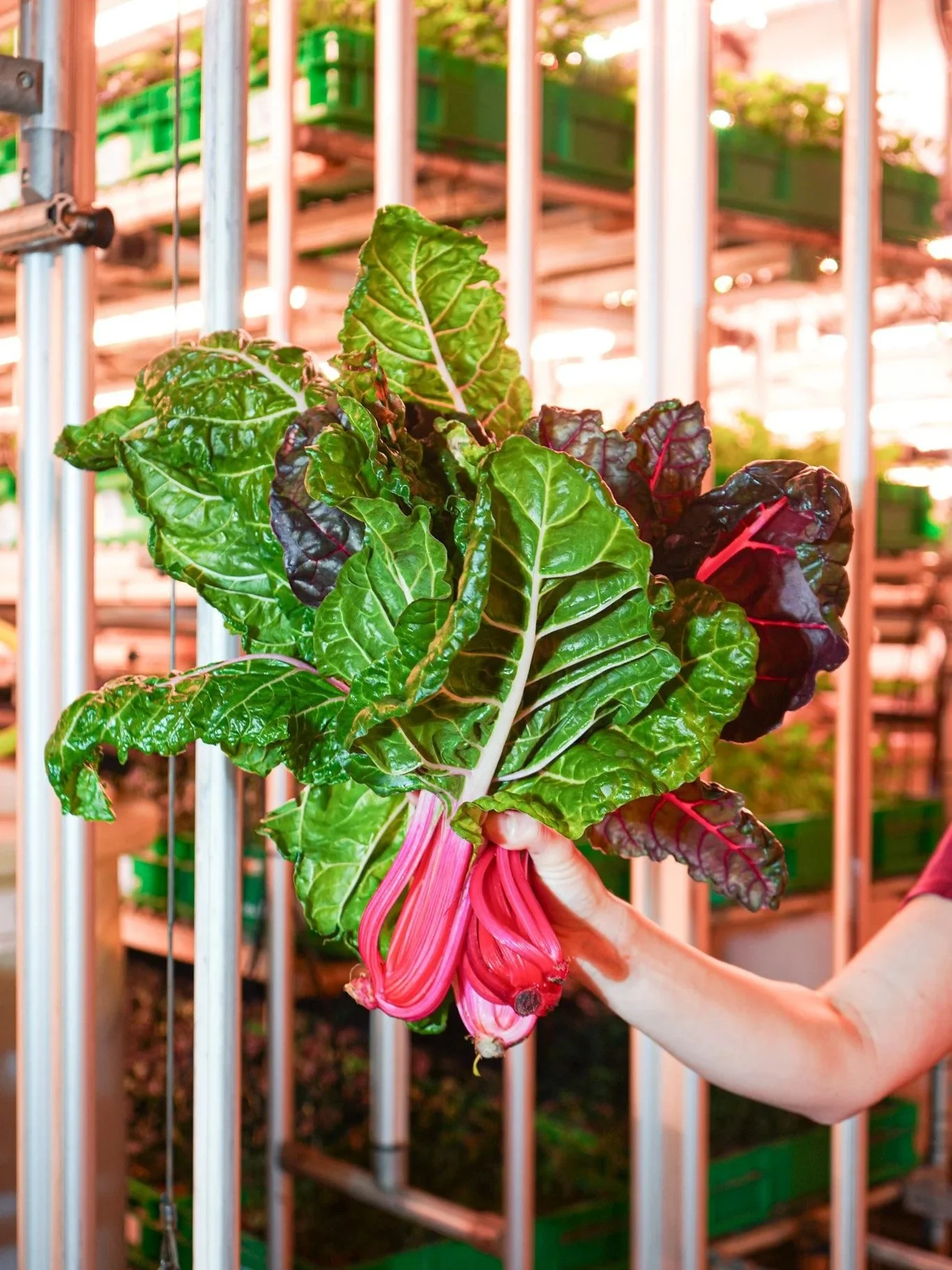
What is Swiss Chard?
Swiss chard is a leafy green vegetable in the beet family, but unlike beets, it’s grown for its large leaves and colorful stems rather than its root.
It’s a hardy plant that produces continuously, meaning when you harvest the outer leaves only, it will keep growing. The leaves are tender and earthy (similar to spinach) while the stems have a mild sweetness and crunch.
Swiss chard can be eaten raw or cooked, but it really is delicious when lightly sautéed or wilted. Like other leafy greens, it has valuable nutrients, including vitamins A, C, and K, along with magnesium and potassium.
Wash & Store
Rinse thoroughly under cold water to remove any dirt or grit, especially around the stems.
Dry well and store in the fridge in a sealed container or bag with a paper towel.
For best texture and flavor, use within a few days.
How to Use Swiss Chard
Swiss chard is easy to use and holds up well to heat, making it a great go-to green for quick cooking.
Sautéed swiss chard (classic): Separate the stems from the leaves and chop both. Heat olive oil in a pan over medium heat, then add the chopped stems first and cook for 2–3 minutes until slightly softened. Add garlic if you like, then toss in the leaves. Cook until just wilted, about 2–3 minutes more. Finish with salt, a squeeze of lemon, or a splash of vinegar.
Soups: Stir chopped leaves into soups at the end of cooking for added greens and texture.
Grain bowls & pastas: Mix sautéed chard into grain bowls, pasta, or risotto.
Raw (young leaves): Use smaller, tender leaves in salads for a mild, slightly earthy flavor.
Egg dishes: Fold into omelets, frittatas, or scrambled eggs.
Swiss Chard Health Benefits
Swiss chard is rich in vitamins A, C, and K, along with antioxidants that help support immune function and overall health. It’s also a good source of magnesium and potassium, which play a role in muscle function and heart health.
Like other leafy greens, it contains fiber to support digestion and help keep you feeling full.
Swiss Chard Facts
Swiss chard isn’t actually from Switzerland. The name comes from a Swiss botanist who helped classify it.
It’s sometimes called silverbeet and comes in many colorful varieties, often referred to as “rainbow chard.”
Swiss chard is known as a “cut-and-come-again” crop, meaning you can harvest the outer leaves and the plant will continue to produce more.
Area 2 Farms for Locals
Your food should be equally accessible and nutritious. Which is where we come in. At Area 2 Farms, we grow fresh organic produce within 10 miles of you.
