How to Care For Seedlings This Spring
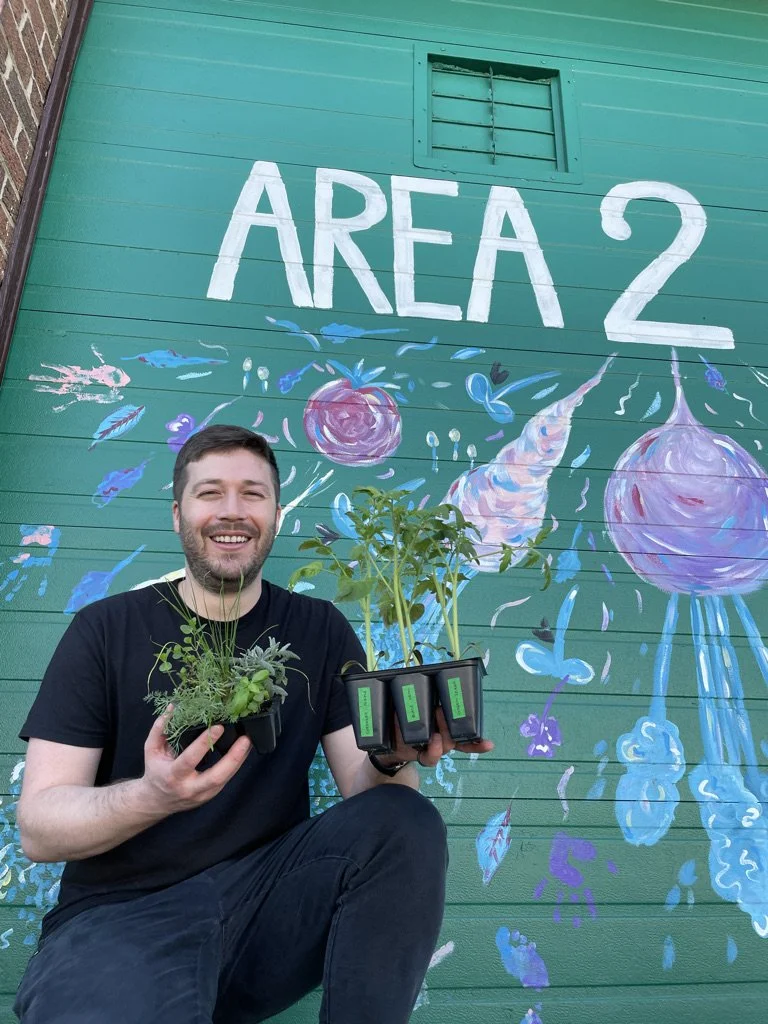
Your seedlings are grown right here in your neighborhood by your farmers in organic, compost-rich soil. They’re ready to be transplanted as soon as you bring them home. Whether this is your first garden or your tenth, the goal is simple: don’t overthink it. Plants want to grow. You just need to give them a good start.
Start Here: Water, Light & Planting Basics
Watering: You’re aiming for soil that is consistently moist, not extreme in either direction.
Bone dry = light-colored soil that pulls away from the edges and feels dusty. Your plant will often look wilted.
Overly wet = dark, soggy soil that holds water and feels heavy. This can lead to root rot and slow growth.
If your plant looks droopy, always check the soil before watering. It’s usually either too dry or too wet.
Light & Shade: Most seedlings prefer full sun (6+ hours) and will grow faster and stronger with more light. That said, many herbs and greens can tolerate partial shade, especially in the heat of summer. Less sun just means slower growth.
Before You Plant: Clear weeds and debris, and give your plants space. Even though they’re small now, they’ll grow quickly. For most crops, aim for about 1-2 feet between plants. Herbs and lettuces don’t need as much space and can be planted a bit closer together.
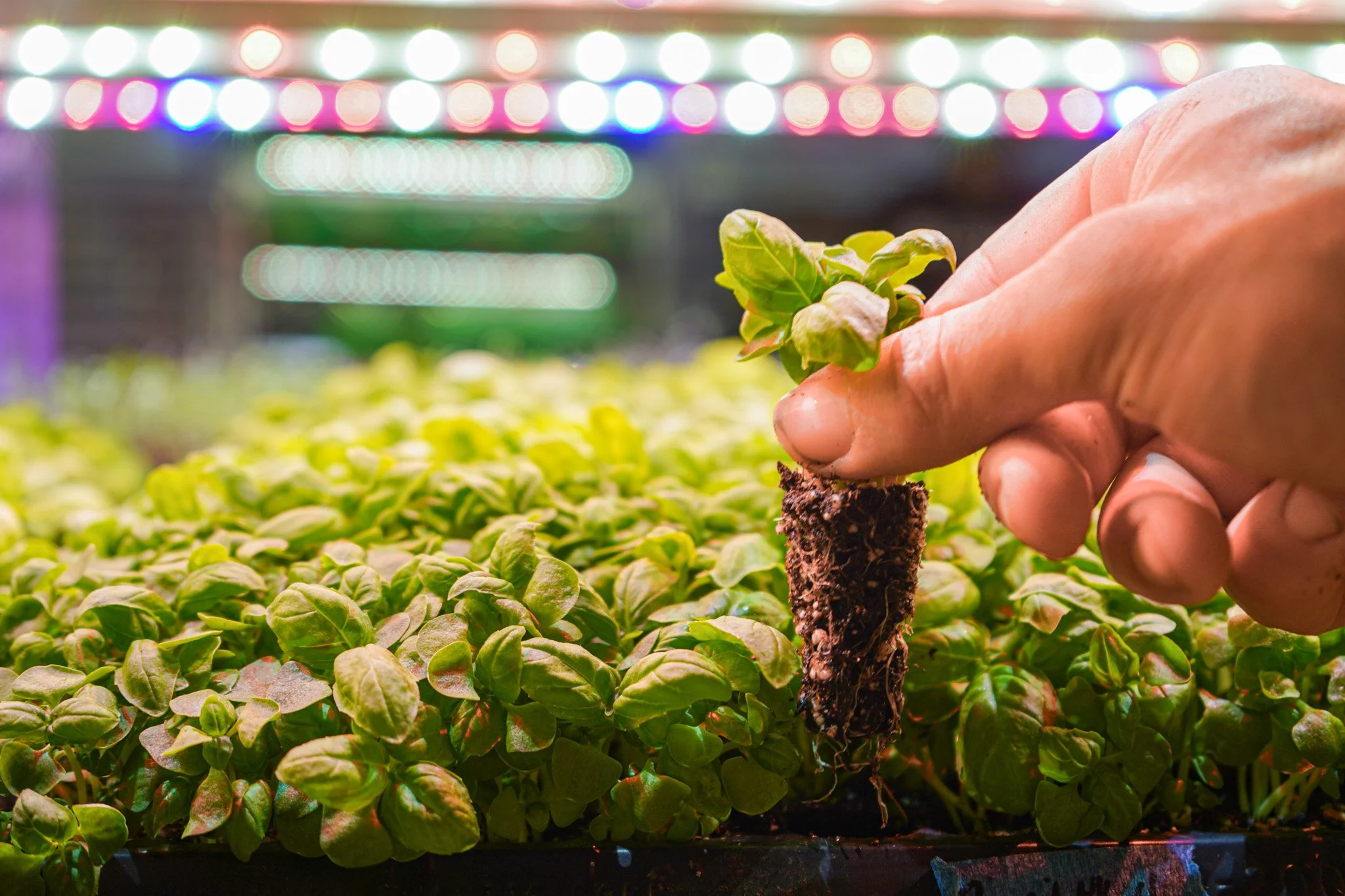
Transplanting Basics: Dig a hole about the size of the seedling, place it in, and keep it level with the soil (except tomatoes; see below). Lightly pack soil around it.
Worm Castings: We use worm castings (yes, worm poop) on our farm to grow healthy crops, and you can too. They’re a nutrient-rich, natural soil boost. Mix them into your soil when planting, or sprinkle them on top as your plants grow.
Tomatoes
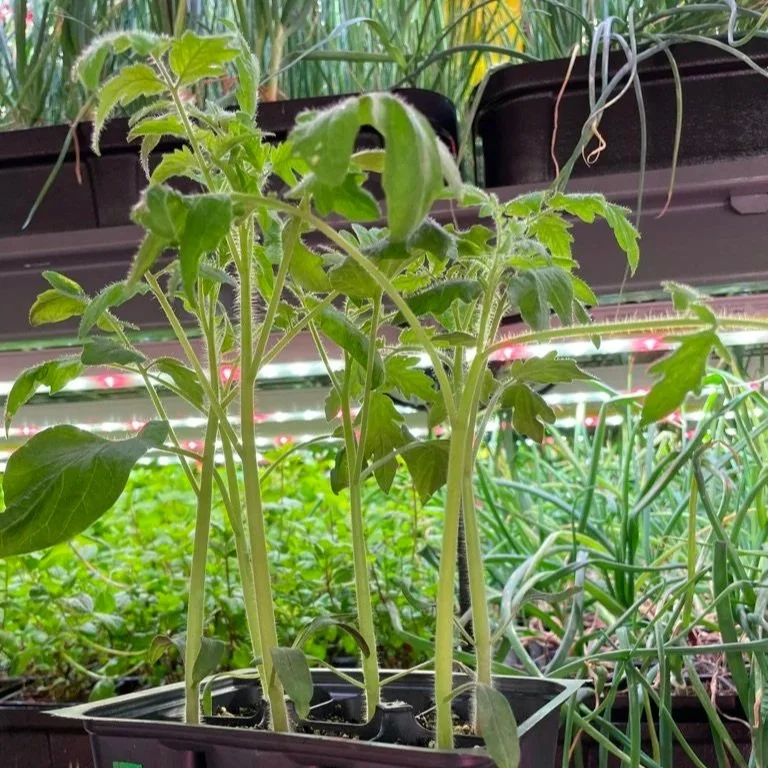
Transplanting: Remove the bottom few small shoots (suckers), then plant your tomato deep, right above where you removed them. Planting a little deeper helps build a strong root system.
Light & Water: For tomatoes, full sun is essential. You should water when the soil dries out, but don’t let it stay soggy.
Support: Use a cage or stake early so the plant has room to grow.
Harvesting: More harvesting = more tomatoes, so harvest as soon as fruit is ripe to encourage more production. And remember, every flower becomes a fruit.
Herb Pack
The herb pack includes: basil, dill, parsley, cilantro, chives, and sage.
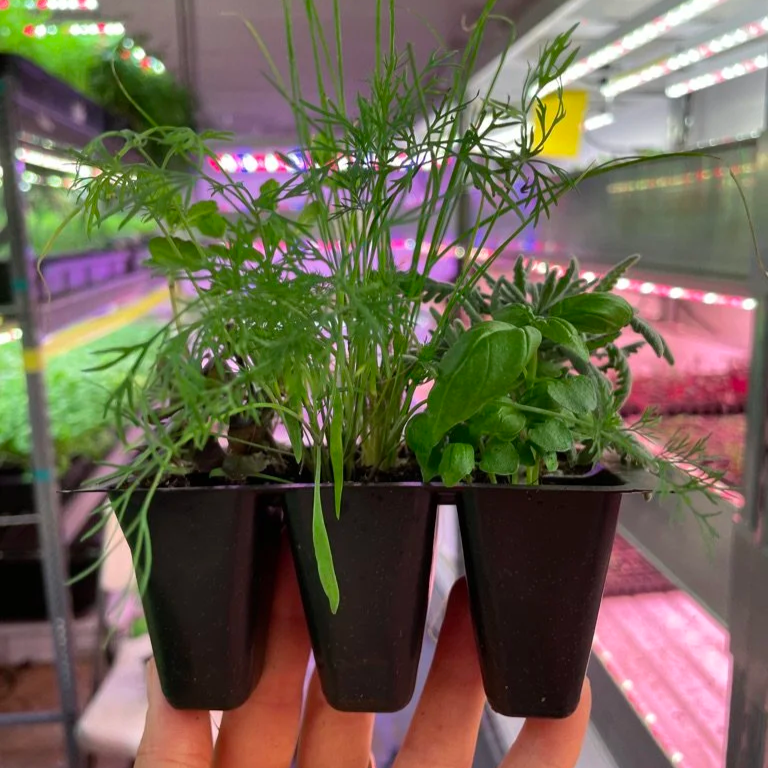
Planting & Growth: You can plant herbs together or separately. Some (like sage and chives) may come back year after year, so consider giving them a more permanent spot or a pot.
Light & Shade: Most herbs prefer full sun, but many will still grow in partial shade, just a bit slower and less full.
Watering:
Moist soil: basil, dill, parsley, and chives
Slightly drier soil: sage and cilantro (But nothing should ever be bone dry.)
Harvesting: For most herbs, cut right above a node (where leaves meet the stem) to encourage regrowth. Softer herbs like basil, dill, and chives will keep producing all season. Parsley and cilantro are more “cut and done,” though you may get multiple harvests.
Greens and Lettuces
Planting: Gently separate seedlings and plant them directly into the soil, keeping them level with the surface. Give each plant a bit of space so it has room to grow.
Light & Water: Greens do well in full sun to partial shade. In warmer weather, a little shade can actually help prevent bolting (going to seed too quickly). Keep soil consistently moist, but not soggy.
Harvesting:
Lettuces (cut & come again): Cut leaves about 2–3 inches above the soil and they’ll regrow for multiple harvests.
Heartier greens (kale, chard, cabbage): Harvest the outer leaves first and let the center continue to grow.
If you pull the whole plant, it won’t grow back, so harvest strategically to keep the plant producing.
Peppers, Peas & Specialty Plants
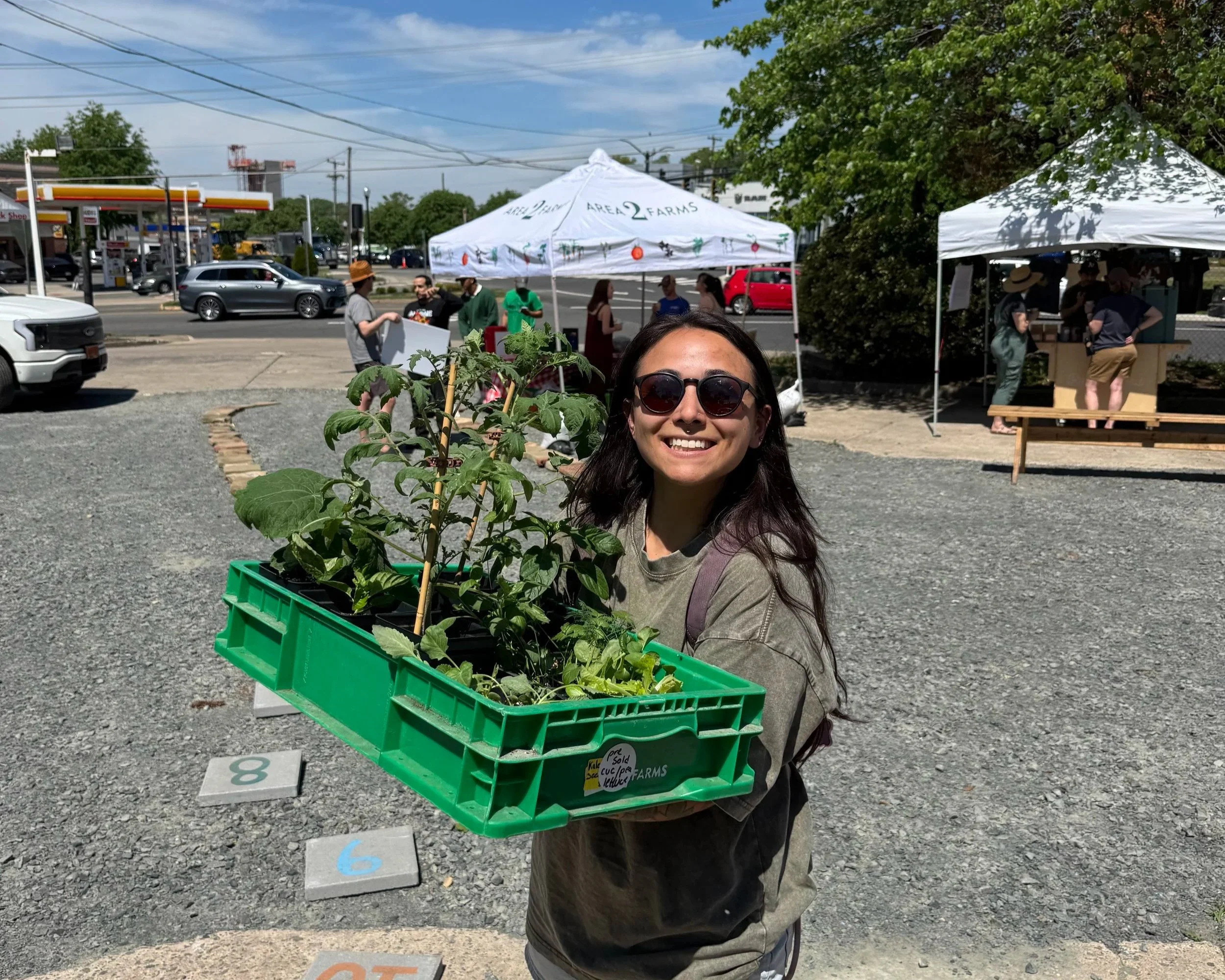
Peppers: Give them space (about 1 foot) or plant them in their own pot. They like full sun, and should be watered when soil dries out. You can harvest them fresh or dry them.
Snap Peas & Green Beans: You must plant peas and beans next to a trellis or fence as they need something to climb.
Gooseberries: Because a gooseberry plant grows large, it’s best to plant it separately, in its own pot. The fruit is ready when it drops to the ground.
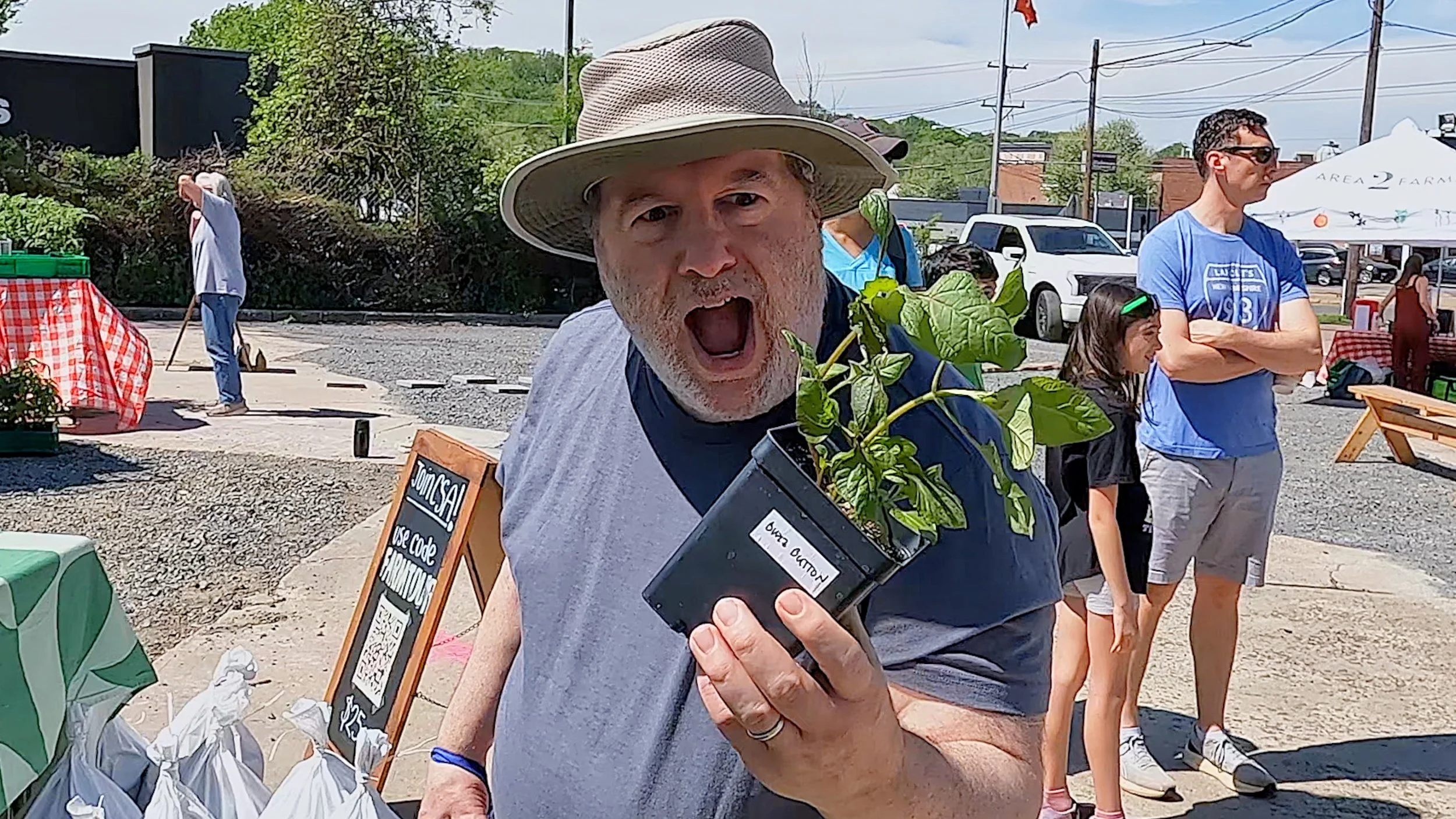
Buzz Buttons: Buzz buttons grow in a bush. The leaves, stem, and flowers are all edible and all offer the same buzzing effect. The flowers will be the most intense.
Garden with Ease
Gardening is a learning process, which means you don’t need to get everything perfect. Pay attention, adjust as you go, and you’ll figure it out quickly. If you need more supplies, you can always shop what you need here.
And if you have questions, email us at hello@area2farms.comor stop by the farm. We’re always happy to help in person.
Area 2 Farms for Locals
Your food should be equally accessible and nutritious. Which is where we come in. At Area 2 Farms, we grow fresh organic produce within 10 miles of you.