

At Area 2 Farms, we don't grow herbs just to be garnishes, but to be used in abundance. Because they’re grown right down the road and harvested just yesterday, they aren't fragile, wilting on the grocery store shelf; they’re full of flavor and texture and can be used everyday, in most meals.
The biggest mistake you can make with a bunch of herbs is waiting for a recipe to use them and letting the rest lose life in your crisper drawer. Once you learn how to use them, you’ll be putting them in everything.
The Woody Herbs
(Thyme, Oregano, Sage, Marjoram)
These can be used, stems and all, in almost any soup, sauté, or roast. Simmer them in a pot of beans or tuck them underneath veggies or a chicken while they roast.


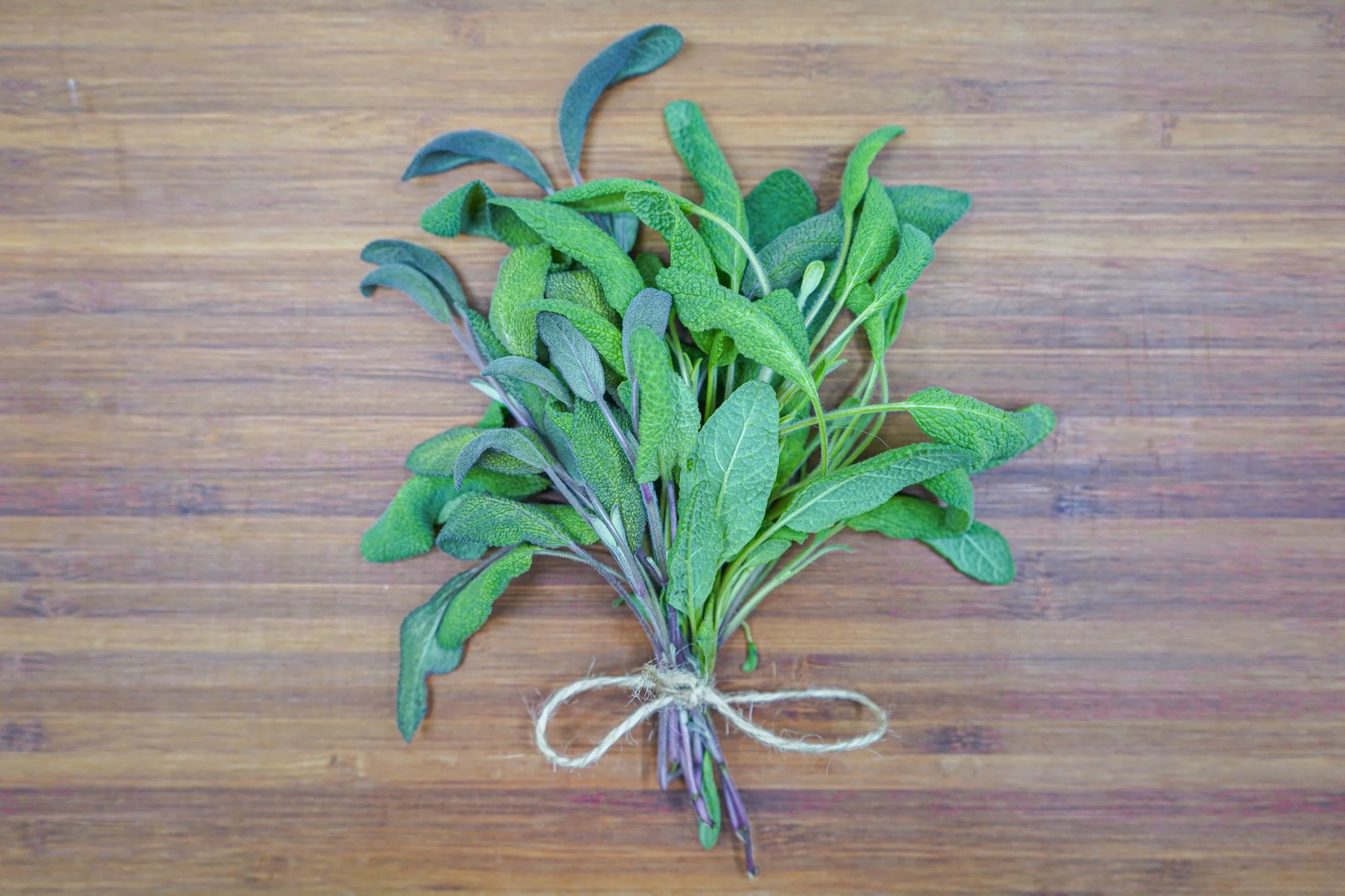
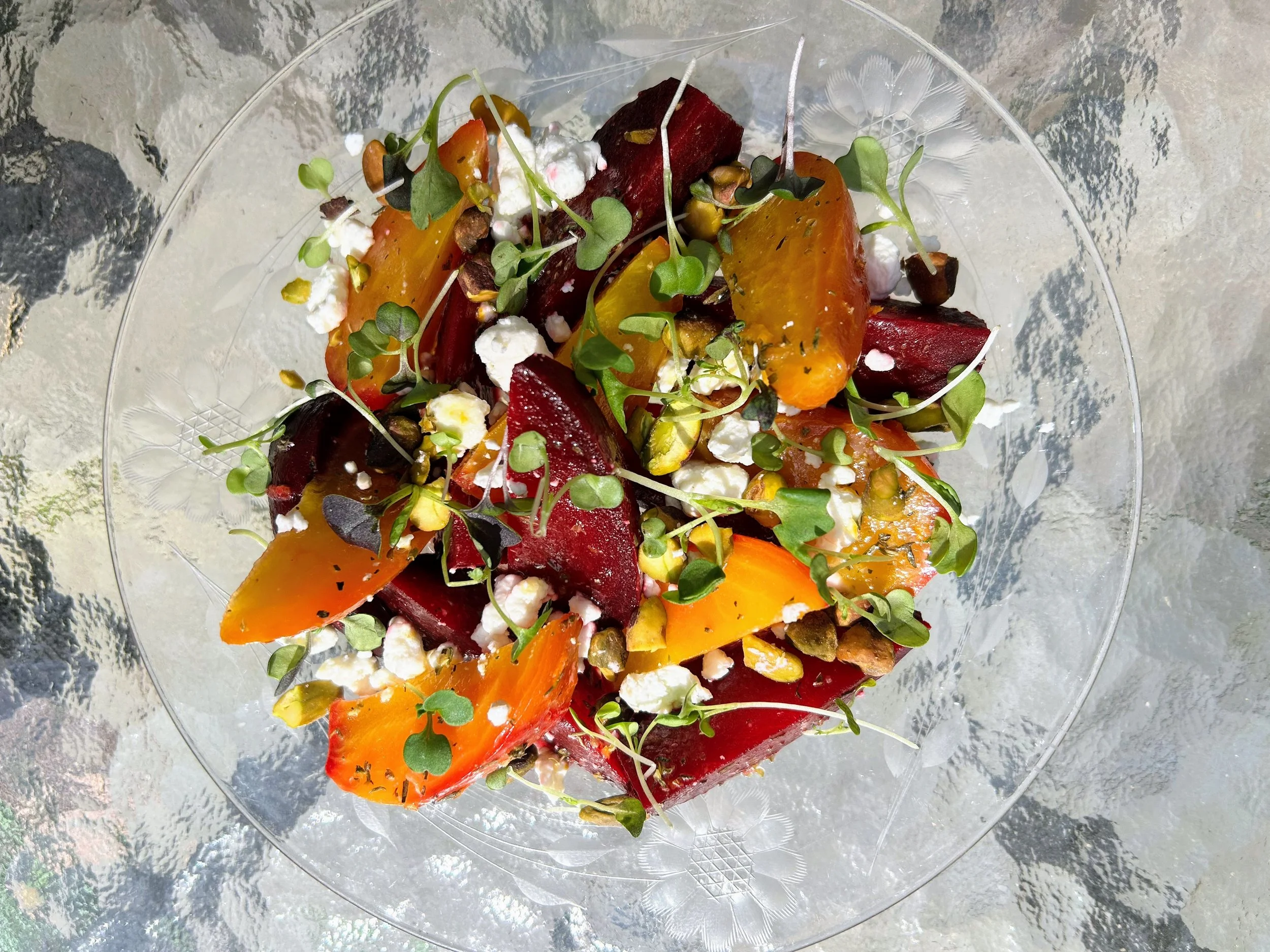
The Pro Move: If you’re searing in a pan, add a pat of butter toward the end with the herbs and baste your dish with that infusion.
Beyond the Stove: Remove leaves from stems, and chop them into baked goods like biscuits or scones, or muddle them into a cocktail. While thyme and oregano are great raw (like in a vinaigrette), sage is at its best when cooked or infused.
Try these recipes that use woody herbs:
The Soft Herbs
(Dill, Parsley, Cilantro, Chives, Basil, Mint)
These tender leaves and stems add a lot of flavor. Literally all of them work well raw in a salad or vinaigrette. In fact, they will transform a simple salad into something craveable.
Except for basil and mint, don’t worry about picking the leaves off the stems! The stems are just as flavorful, so finely chop the whole bunch and use it all; nothing goes to waste.
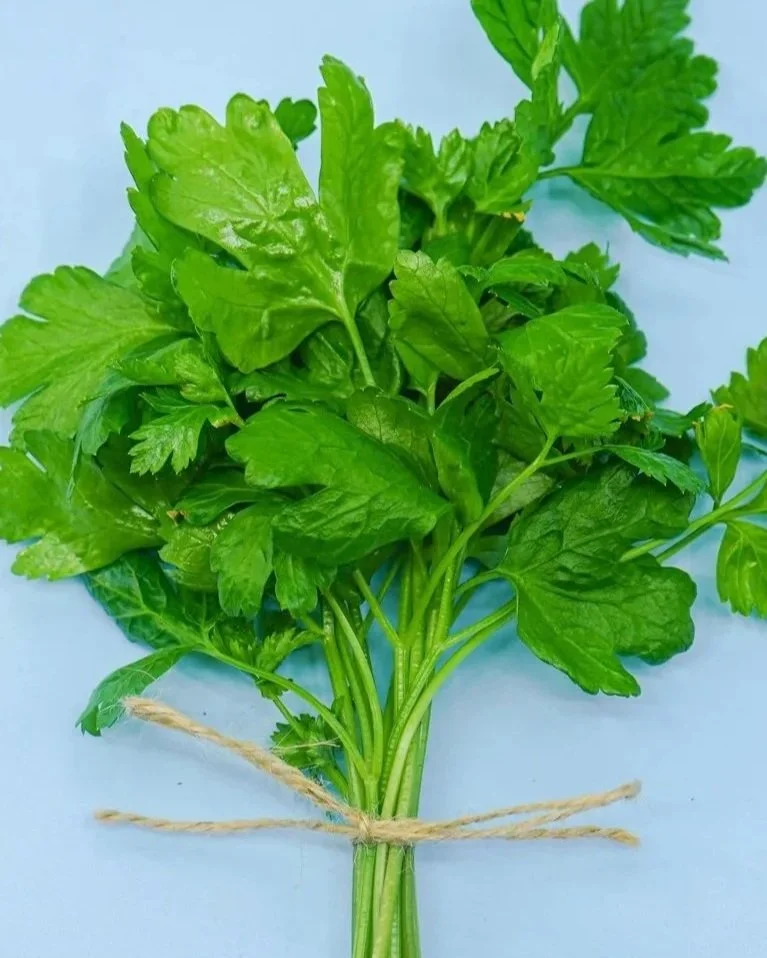
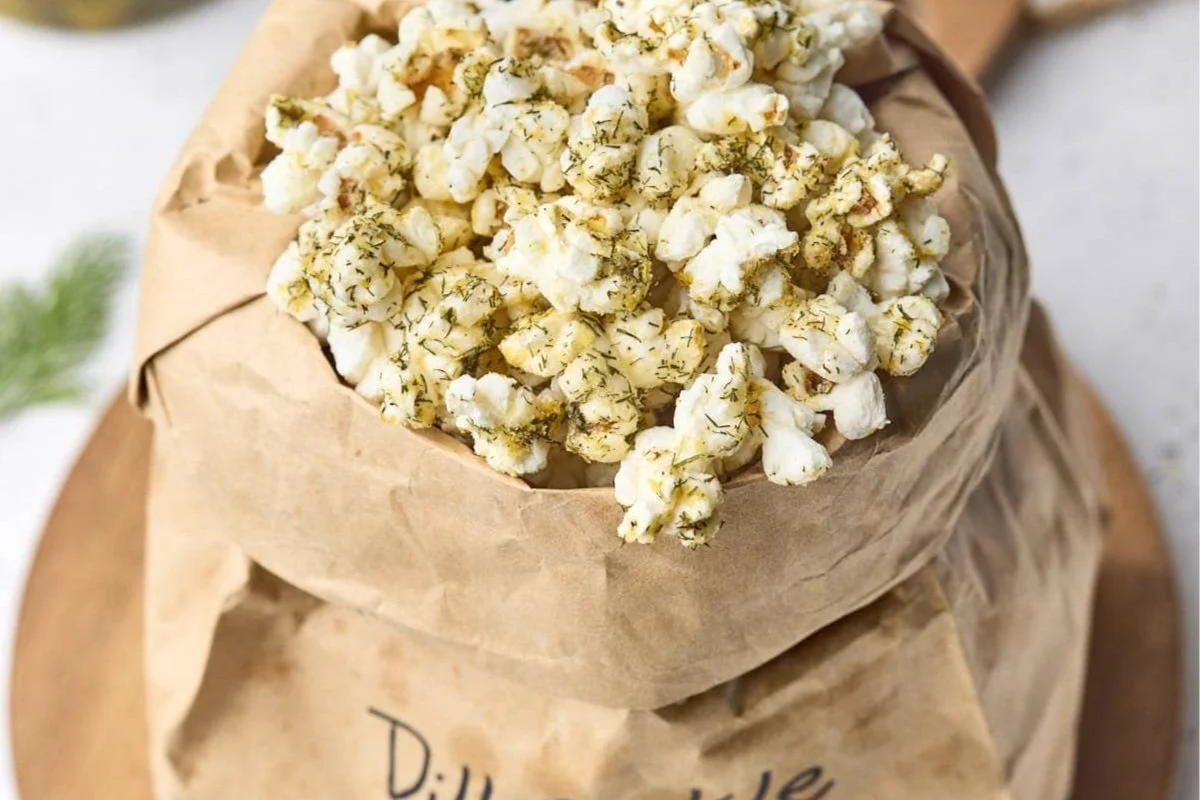
Dill: Think Mediterranean. It loves bright citrus, briny olives, and feta, but also plays well with warm spices like cinnamon (perfect for grilled Shawarma). It’s a stellar addition to Caesar, potato, or garden salads, either mixed directly in or whisked into a vinaigrette.
Parsley: It’s your most versatile utility player. Its fresh, peppery taste sneaks into dishes without taking over, or you can make it the star in a pesto or chimichurri.
Cilantro: Beyond Mexican favorites, cilantro is a staple in Vietnamese, Thai, and Indian cuisines. Use it to add a bright, citrusy finish to curries, rice noodle bowls, or as a fresh herb salad on top of a grilled steak.
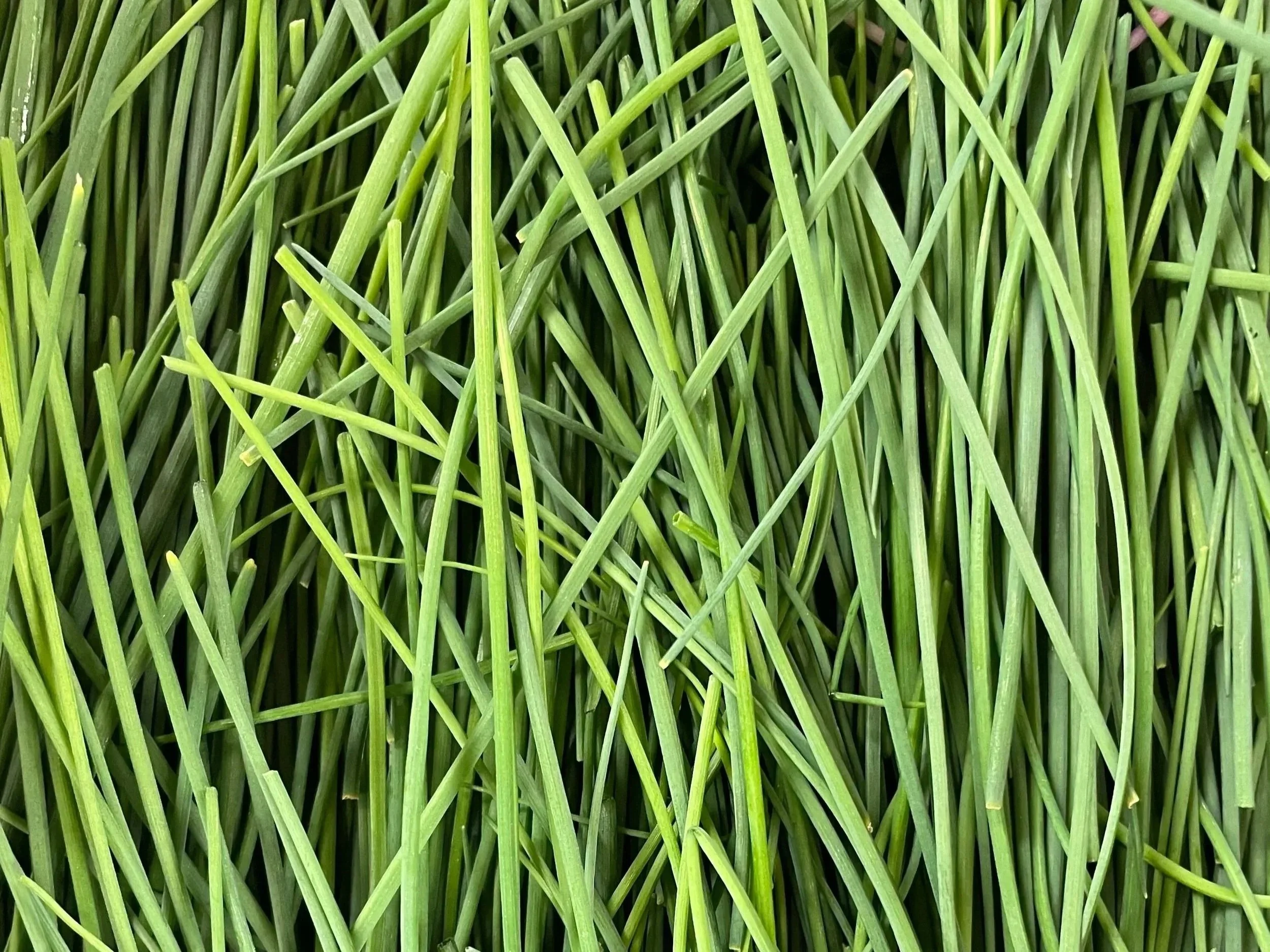
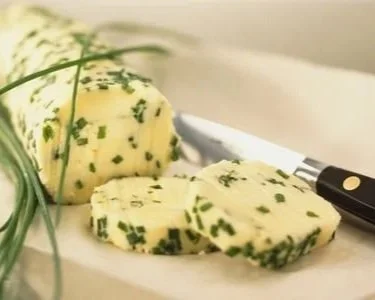
Chives: If a dish could use a mild onion flavor, add chives. Slice them raw into marinades, dressings, eggs, or meatballs. Swirl them into corn chowder or chicken soup, or mash them into butter or cream cheese for a flavored spread.
To use basil and mint, pick the leaves off of the stems and either chop them or leave them whole.
Basil: It’s sweet, peppery, and aromatic. Beyond pizza and pasta, basil loves corn; you can swipe it onto grilled cobs with butter or mix it into a corn salad. Basil is also great muddled into honey lemonade or swapped in for mint in a Julep. It’s best raw or tossed in at the very end, though it’s also lovely steeped into tea or cream for desserts.
Mint: It adds incredible brightness to salads, grains, and pastas. Try a mint, feta, and watermelon salad, or pair it with grilled zucchini and pistachios. It’s perfect for cutting the richness of cooked meats like lamb or beef. You can also infuse it into water, cocktails, or milk for a sweet treat.
Try these recipes with soft herbs:
Grilling with Fresh Herbs
Fresh herbs and fire are one of the best flavor combinations. And because your herbs were harvested just yesterday, they’re sturdy enough to stand up to the grill.
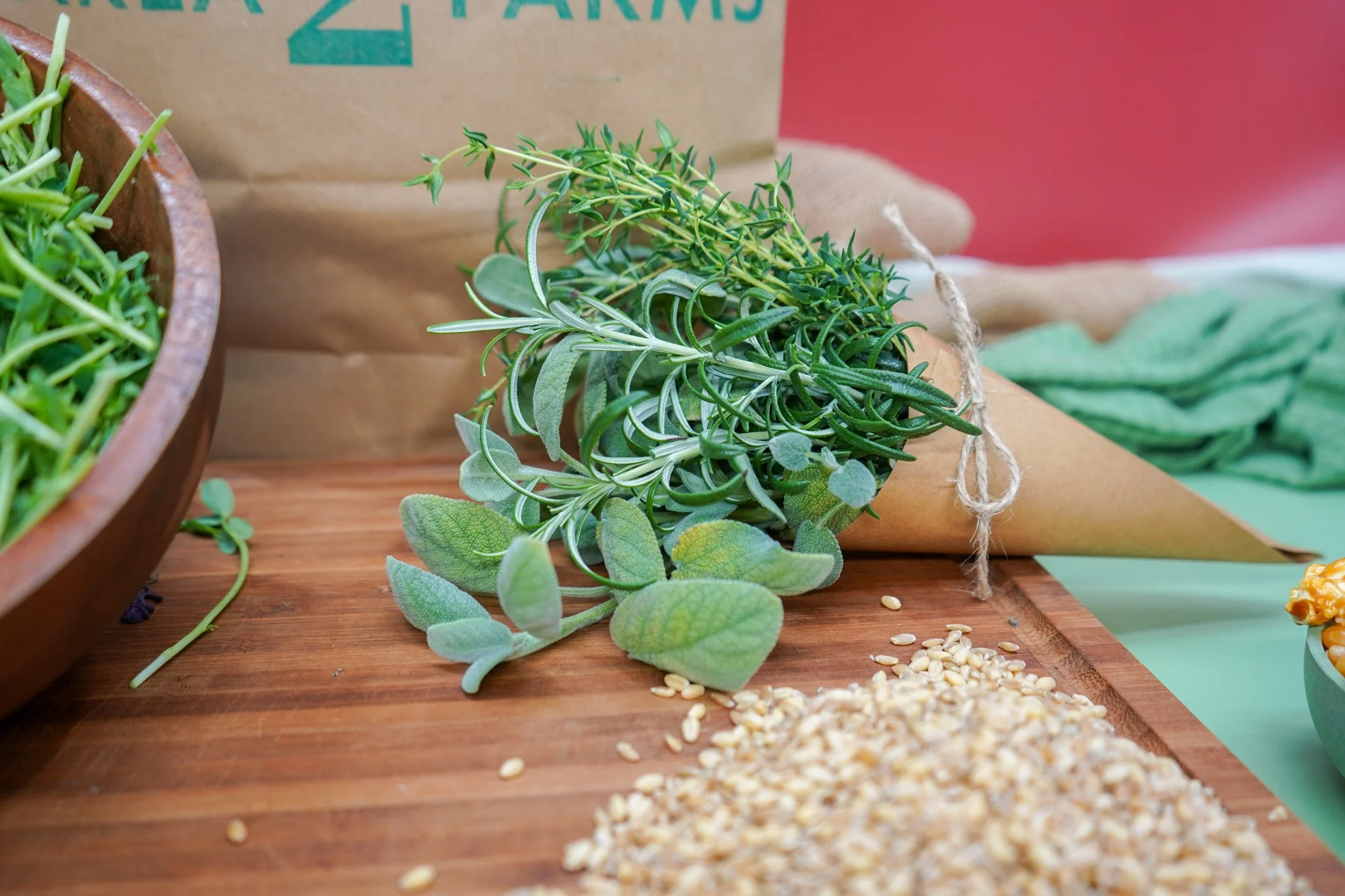
Woody herbs like rosemary, thyme, sage, marjoram, and oregano love heat. Toss whole sprigs directly onto the coals or burners while grilling to infuse food with a smoky herbal aroma.
Create an “herb bed” by laying herb branches directly on the grill grates and placing fish, chicken, or vegetables on top. For best results, soak the herbs in water for a few minutes first so they smolder slowly instead of burning too quickly.
Tie together woody herb stems to make an herb brush for basting marinades or herb butter onto grilled food.
Tender herbs like basil, dill, parsley, cilantro, mint, and chives are best added at the end. Toss them into grilled vegetables, blend them into sauces, or scatter generously over grilled meats and fish before serving.
A few favorite pairings:
Rosemary + steak or potatoes
Dill + grilled salmon
Mint + grilled zucchini or lamb
Basil + corn or chicken
Cilantro + grilled shrimp or tacos
Sage + pork chops
The Ultimate Herb Tip
If you have a mix of leftover herbs and want to elevate any meal, chop them all up and mix with a little yogurt and citrus. This quick herby sauce is perfect over meat, roasted veggies, or a grain bowl.
Area 2 Farms for Locals
Your food should be equally accessible and nutritious. Which is where we come in. At Area 2 Farms, we grow fresh organic produce within 10 miles of you.
